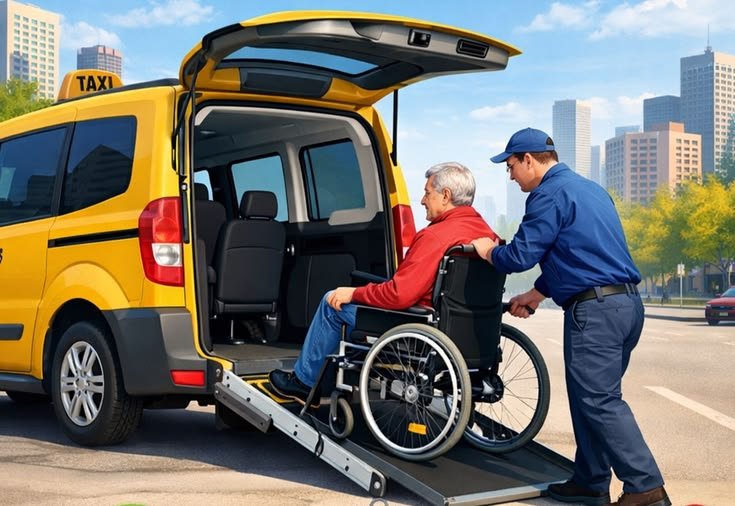
How Do Wheelchair Accessible Taxis Work in Perth? A Simple Guide for Passengers
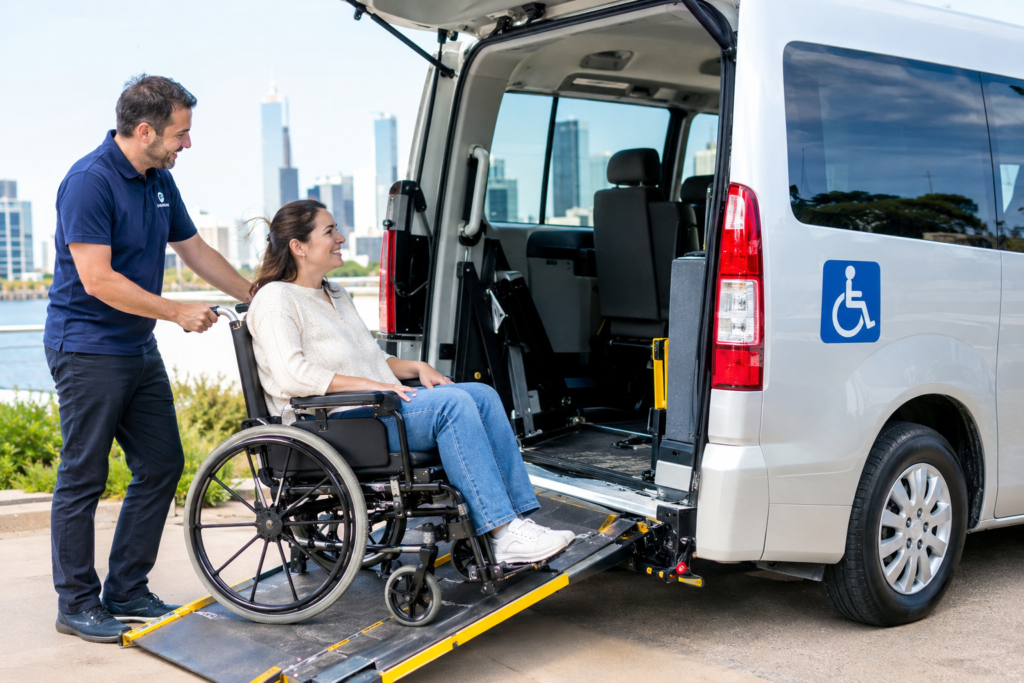
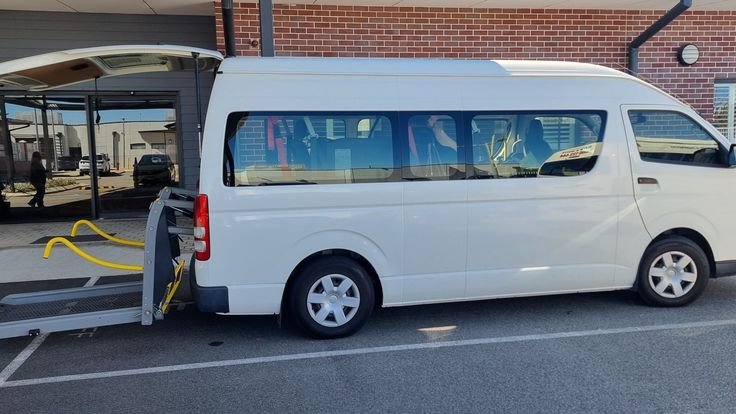
How Do Wheelchair Accessible Taxis Work in Perth? A Simple Guide for Passengers If you have never used a wheelchair accessible taxi before, you may have questions about how the vehicle works, how you get inside, whether you can remain in your wheelchair, and how your wheelchair is secured during the journey. A wheelchair accessible taxi is designed with features that make transportation easier for people who use wheelchairs or have mobility difficulties. Depending on the vehicle, these features can include ramps, lifts or hoists, wheelchair restraint systems and additional accessible space. In this guide, we explain how wheelchair accessible taxis work in Perth, what passengers can expect during a journey, and what to consider before arranging accessible transport. What Is a Wheelchair Accessible Taxi? A wheelchair accessible taxi is a specially equipped vehicle designed to transport passengers who use wheelchairs or have mobility requirements. Unlike a standard taxi, an accessible vehicle may have equipment such as: Wheelchair ramps Mechanical lifts or hoists Wheelchair tie-down systems Passenger restraint systems Accessible entry points Additional space for wheelchair users The exact equipment and vehicle layout can vary. In Western Australia, wheelchair accessible vehicles are subject to requirements covering accessibility equipment and passenger safety. How Do Wheelchair Accessible Taxis Work in Perth? The process is generally straightforward. When the vehicle arrives, the driver prepares the appropriate accessibility equipment to allow the passenger to enter the vehicle. A typical journey may involve: The wheelchair accessible taxi arrives at the pickup location. The driver positions the vehicle safely. A ramp or hoist is prepared. The passenger enters the vehicle. The wheelchair is positioned in the designated area. The wheelchair is secured using the appropriate restraint system. Relevant passenger safety restraints are checked. The journey begins. At the destination, the wheelchair is safely released. The passenger exits the vehicle using the available accessible equipment. The exact process can vary depending on the vehicle, wheelchair and passenger’s individual requirements. How Do Wheelchair Taxi Ramps Work? A wheelchair ramp provides an accessible route between the ground and the vehicle’s entrance. The passenger can use the ramp to enter the vehicle without needing to use standard vehicle steps. The process generally involves: The vehicle being positioned safely. The ramp being deployed. The passenger entering the vehicle. The wheelchair being moved into the designated position. The ramp being safely stored before the journey begins. Not every accessible vehicle uses the same type of ramp, so the design can vary between vehicles. How Do Wheelchair Taxi Lifts or Hoists Work? Some accessible vehicles use a mechanical lift or hoist instead of a ramp. The wheelchair is positioned on the lift platform, which raises it to the appropriate level for entering the vehicle. This can be useful where a ramp is not suitable for the vehicle configuration or passenger requirements. The type of accessibility equipment available depends on the individual vehicle. Can You Stay in Your Wheelchair During the Journey? This is one of the most important questions for wheelchair users. Some wheelchair accessible vehicles allow passengers to travel while remaining seated in their wheelchair. However, this depends on several factors, including: The type of wheelchair Wheelchair dimensions The vehicle configuration The wheelchair’s suitability for occupied transport Available restraint equipment The passenger’s individual requirements Where practical, transferring to a vehicle seat may be preferable. If you need to remain seated in your wheelchair, it is important to establish whether your wheelchair and the vehicle are suitable for this type of transportation. How Are Wheelchairs Secured Inside an Accessible Taxi? An important part of how wheelchair accessible taxis work in Perth is securing the wheelchair correctly before the vehicle starts moving. Accessible vehicles can use wheelchair tie-down systems to keep the wheelchair securely positioned. Passenger restraint systems may also be used where appropriate. Proper wheelchair positioning and restraint can help reduce unwanted movement during the journey. WA has specific requirements relating to wheelchair tiedowns and occupant restraint systems in What Does the Taxi Driver Do? The driver plays an important role throughout the boarding and transportation process. Depending on the passenger’s requirements and the vehicle, the driver may: Position the vehicle safely Prepare the ramp or hoist Assist with the boarding process where appropriate Position the wheelchair Secure the wheelchair Check relevant restraints Safely unload the passenger at the destination Drivers providing wheelchair accessible vehicle services in WA are required to demonstrate competency in areas including the safe loading, restraint and unloading of passengers using wheelchairs. Can a Powered Wheelchair Go in a Wheelchair Accessible Taxi? A powered wheelchair may be suitable for transportation in an accessible vehicle, but compatibility should always be considered. Powered wheelchairs can vary significantly in their: Width Height Length Weight Design Before arranging transport, it can be useful to provide accurate information about your wheelchair. This can help determine whether the available vehicle is appropriate for your requirements. Can You Travel on a Mobility Scooter? Mobility scooters and wheelchairs are not necessarily treated the same way when using accessible transport. In Western Australia, wheelchair accessible vehicles are designed to transport passengers seated in wheelchairs rather than passengers remaining seated on mobility scooters or gophers. A passenger using a mobility scooter generally needs to transfer from the scooter before it is loaded into the vehicle. If you use a mobility scooter, make sure you explain your requirements when arranging transport. Can a Carer or Support Worker Travel With You? Some passengers may need to travel with a: Family member Carer Support worker Companion Whether another person can travel with you depends on the vehicle’s seating configuration and available space. If you need someone to accompany you, mention this when arranging your journey so the appropriate seating and vehicle arrangements can be considered. What Information Should You Provide Before Your Journey? Providing accurate information before travelling can make it easier to arrange suitable accessible transport. You may need to provide information such as: Whether you use a manual or powered wheelchair Approximate wheelchair dimensions Whether you will remain seated